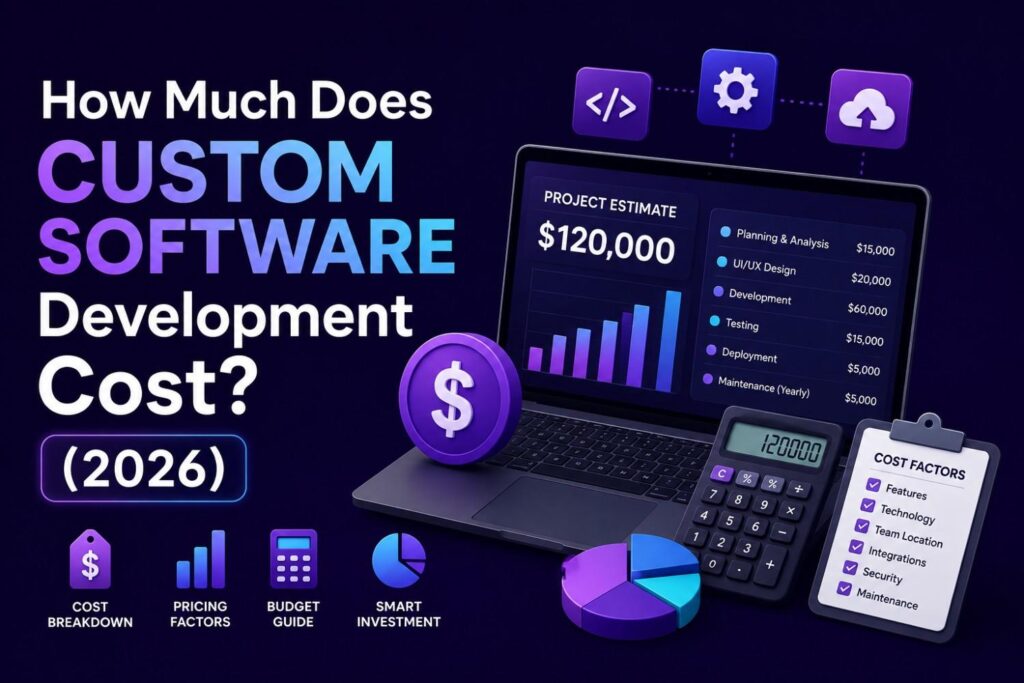
Investing in custom software has become a strategic priority for businesses looking to automate operations, improve customer experiences, and gain a competitive advantage. Unlike off-the-shelf software, custom solutions are designed around your specific workflows, business goals, and scalability requirements, making them a valuable long-term investment.
However, one of the first questions every business owner asks is: How much does custom software development cost?
The answer isn’t straightforward. A simple internal dashboard might cost a few tens of thousands of dollars, while a large enterprise platform with AI capabilities, cloud infrastructure, and third-party integrations can require a significantly larger investment. Pricing depends on numerous factors, including project complexity, technology stack, development team, security requirements, integrations, and ongoing maintenance.
In this guide, we’ll break down the average cost of custom software development in 2026, explore the factors that influence pricing, compare different project types, and share practical strategies to maximize your return on investment.
What Is Custom Software Development?
Custom software development is the process of designing, building, deploying, and maintaining software that is tailored to the unique needs of a business or organization.
Unlike off-the-shelf software—which is built for a broad audience—custom software is developed specifically to solve your company’s challenges, streamline workflows, and integrate with existing systems.
Examples of custom software include:
- Customer Relationship Management (CRM) systems
- Enterprise Resource Planning (ERP) software
- Inventory and warehouse management platforms
- Healthcare management systems
- Financial and banking applications
- Logistics and fleet management software
- Booking and reservation platforms
- SaaS products
- eCommerce platforms
- Mobile applications
- Customer portals
- Employee management systems
Because these solutions are built around your business processes, they provide greater flexibility, stronger security, and improved scalability than generic software alternatives.
Average Custom Software Development Cost in 2026
Custom software projects vary significantly in scope, making it difficult to assign a single price. Instead, development costs generally fall into ranges based on project complexity, feature requirements, and business objectives.
| Project Type | Estimated Development Cost |
|---|---|
| MVP (Minimum Viable Product) | $15,000–$50,000 |
| Small Business Application | $30,000–$80,000 |
| Medium SaaS Platform | $80,000–$200,000 |
| Enterprise Software | $200,000–$1,000,000+ |
| AI-Powered Business Platform | $100,000–$500,000+ |
These figures should be viewed as general estimates rather than fixed pricing. The final investment depends on factors such as application complexity, the number of user roles, integrations with third-party services, security requirements, cloud infrastructure, compliance standards, and the experience of the development team.
A customer portal with authentication and reporting, for example, requires far fewer development hours than an enterprise resource planning system that connects accounting, inventory, human resources, analytics, and AI-powered automation.
Rather than asking, “How much does software cost?” it’s more useful to ask, “What functionality does my business need?”
What Factors Affect Custom Software Development Costs?
Every software project is unique, but several key factors consistently influence the overall budget. Understanding these variables helps businesses estimate costs more accurately and prioritize features that deliver the greatest value.
1. Project Complexity
Complexity is the single biggest driver of development costs.
A basic business application with user authentication, dashboards, and reporting requires significantly fewer development hours than a platform supporting real-time communication, advanced analytics, AI features, or thousands of concurrent users.
Projects generally fall into three categories:
Simple Applications
These typically include:
- User registration and login
- Basic dashboards
- Contact forms
- Standard CRUD functionality
- Reporting
- Admin panels
Simple applications are ideal for internal tools, employee portals, and small business management systems.
Medium Complexity Applications
These projects often include:
- Payment gateways
- Role-based permissions
- Third-party integrations
- Notifications
- File management
- Customer portals
- Mobile applications
- API integrations
Many SaaS platforms and growing business applications fall into this category.
Complex Enterprise Software
Enterprise-grade software frequently includes:
- Microservices architecture
- AI-powered automation
- Real-time communication
- Multi-tenant architecture
- Cloud-native deployment
- Advanced analytics
- Business intelligence dashboards
- ERP functionality
- Multi-region infrastructure
- Compliance requirements
These systems require specialized expertise and significantly more development effort.
2. Features and Functionality
The number and sophistication of features directly affect development time.
Common functionality that increases project scope includes:
- User authentication
- Multi-factor authentication (MFA)
- Role-based access control
- Payment processing
- Live chat
- Push notifications
- Real-time messaging
- Video conferencing
- Appointment scheduling
- Document management
- Search functionality
- Offline capabilities
- AI assistants
- Recommendation engines
- OCR (Optical Character Recognition)
- Workflow automation
Every additional feature requires design, development, testing, and ongoing maintenance, contributing to the total project cost.
3. UI/UX Design
A well-designed user experience is essential for software adoption and customer satisfaction.
The design process often includes:
- User research
- Wireframes
- Interactive prototypes
- User interface (UI) design
- User experience (UX) optimization
- Accessibility improvements
- Responsive layouts
Applications with highly customized interfaces generally require more design and front-end development effort than those using standard components.
However, investing in intuitive design often reduces training requirements and improves long-term user engagement.
4. Technology Stack
The technologies selected for your project influence both development efficiency and future scalability.
Popular technology stacks include:
Front-End
- React
- Angular
- Vue.js
- Next.js
Mobile Development
- React Native
- Flutter
- Swift
- Kotlin
Back-End
- Laravel
- Node.js
- ASP.NET Core
- Django
- Spring Boot
Databases
- PostgreSQL
- MySQL
- MongoDB
- Microsoft SQL Server
Cloud Infrastructure
- Amazon Web Services (AWS)
- Microsoft Azure
- Google Cloud Platform (GCP)
Choosing proven, well-supported technologies often reduces long-term maintenance costs while making it easier to scale your application as your business grows.
5. Third-Party Integrations
Modern software rarely operates in isolation.
Many businesses need integrations with external services such as:
- Stripe
- PayPal
- Salesforce
- HubSpot
- QuickBooks
- Microsoft 365
- Google Workspace
- Twilio
- SendGrid
- Slack
- Zoom
Each integration requires planning, implementation, testing, and ongoing maintenance, which increases both development time and project complexity.
6. Security and Compliance
Security should never be treated as an optional feature especially for businesses handling customer data, financial transactions, or sensitive information.
Security requirements may include:
- OAuth 2.0 authentication
- JWT authorization
- Data encryption
- Secure API communication
- SSL/TLS
- Biometric authentication
- Audit logs
- Role-based permissions
- Multi-factor authentication (MFA)
Businesses operating in regulated industries may also need to comply with standards such as GDPR, HIPAA, SOC 2, or PCI DSS, each adding additional development, testing, and documentation requirements.
Software Development Cost by Application Type
The type of software you’re building has one of the biggest impacts on your overall budget. Different applications require different levels of functionality, integrations, security, compliance, and scalability.
Below are typical investment ranges for common types of custom software in 2026.
| Application Type | Estimated Cost |
|---|---|
| Internal Business Tool | $15,000–$50,000 |
| CRM Software | $40,000–$150,000 |
| ERP System | $150,000–$1,000,000+ |
| SaaS Platform | $80,000–$300,000+ |
| eCommerce Platform | $40,000–$200,000 |
| Healthcare Software | $100,000–$500,000+ |
| FinTech Application | $100,000–$600,000+ |
| Logistics & Fleet Management | $80,000–$350,000 |
| Marketplace Platform | $100,000–$400,000 |
| AI-Powered Software | $100,000–$500,000+ |
While these figures provide a useful benchmark, the final cost depends on your feature set, infrastructure, integrations, and compliance requirements.
Let’s look at how these application types differ.
CRM Software
A custom Customer Relationship Management (CRM) platform helps businesses centralize customer information, sales pipelines, marketing activities, and support operations.
Common CRM features include:
- Contact management
- Sales pipelines
- Lead tracking
- Email automation
- Task management
- Reporting dashboards
- Workflow automation
- Third-party integrations
Unlike generic CRM solutions, custom platforms can be tailored to your exact sales process, eliminating unnecessary features while improving productivity.
ERP Systems
Enterprise Resource Planning (ERP) software connects multiple departments through a centralized platform.
Typical ERP modules include:
- Human Resources
- Payroll
- Accounting
- Inventory Management
- Procurement
- Manufacturing
- Customer Service
- Business Intelligence
Because ERP software touches nearly every part of an organization, development typically involves extensive planning, system architecture, integrations, and long-term scalability.
SaaS Platforms
Software-as-a-Service (SaaS) products have become one of the fastest-growing software categories.
Examples include:
- Project management tools
- Accounting platforms
- Marketing automation software
- Collaboration platforms
- Learning Management Systems (LMS)
- Booking platforms
Most SaaS products require:
- Subscription billing
- Multi-tenant architecture
- User permissions
- API integrations
- Analytics
- Cloud hosting
- Automated deployments
These features increase development complexity but create recurring revenue opportunities for businesses.
Healthcare Applications
Healthcare software often requires advanced security and regulatory compliance.
Common examples include:
- Patient portals
- Telemedicine platforms
- Appointment scheduling
- Electronic Health Records (EHR)
- Medical billing systems
- Prescription management
Because these applications process sensitive medical information, they frequently require compliance with standards such as HIPAA or GDPR, along with enhanced encryption, audit logging, and secure authentication.
FinTech Applications
Financial software demands exceptional reliability and security.
Examples include:
- Mobile banking
- Investment platforms
- Payment processing
- Expense management
- Budgeting applications
- Cryptocurrency platforms
Security measures such as fraud detection, encryption, identity verification, and regulatory compliance significantly increase development effort compared to standard business applications.
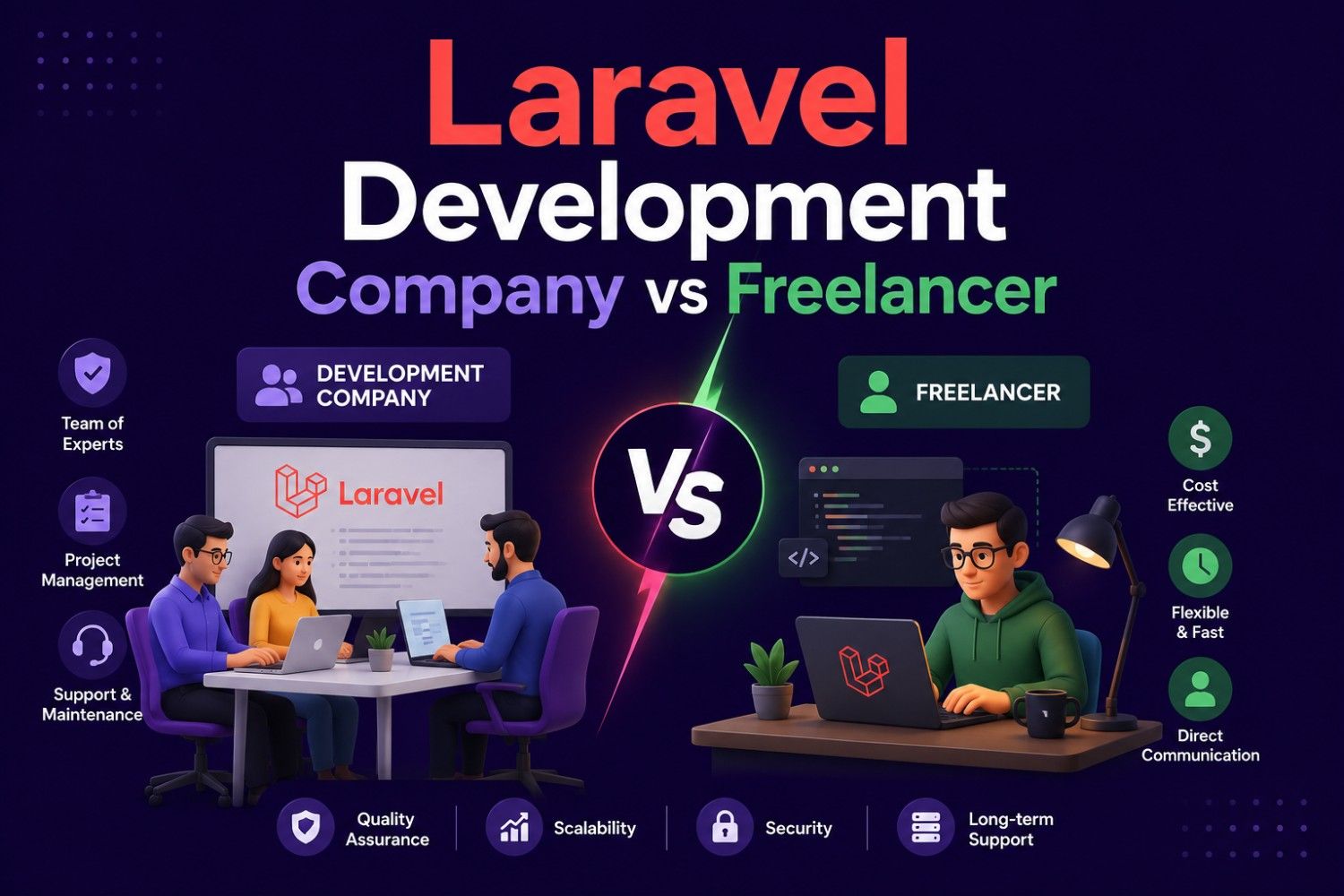
Choosing the Right Development Team
Who builds your software can have just as much impact on your budget as the project itself.
Businesses typically choose one of four approaches.
Freelancers
Freelancers are often suitable for small projects, prototypes, or businesses with limited budgets.
Advantages
- Lower hourly rates
- Flexible engagement
- Quick availability
Challenges
- Limited scalability
- Single point of failure
- May lack specialized expertise
- Project management responsibilities remain with the client
Freelancers work well for relatively simple projects but may struggle with large-scale enterprise software involving multiple technologies and stakeholders.
In-House Development Team
Building an internal development team provides maximum control over your product and processes.
Advantages
- Full ownership
- Direct communication
- Deep understanding of business requirements
- Long-term product knowledge
Challenges
- High recruitment costs
- Employee benefits
- Office infrastructure
- Ongoing salaries
- Longer hiring timelines
For many businesses, maintaining a full-time engineering department is significantly more expensive than partnering with an experienced software development company.
Software Development Agency
Many organizations choose specialized software development agencies because they provide access to complete multidisciplinary teams.
A typical agency may include:
- Project Managers
- Business Analysts
- UI/UX Designers
- Front-end Developers
- Back-end Developers
- Mobile Developers
- QA Engineers
- DevOps Specialists
Advantages
- Experienced teams
- Proven development processes
- Faster project delivery
- Scalable resources
- Long-term support
For medium-sized and enterprise projects, agencies often provide the best balance between expertise, speed, and overall value.
Offshore and Nearshore Development
Many businesses reduce development costs by working with offshore or nearshore software teams.
Offshore Development
Teams are located in distant regions with lower labor costs.
Benefits
- Lower overall development expenses
- Larger talent pool
- Flexible scaling
Considerations
- Time zone differences
- Communication planning
- Cultural differences
Nearshore Development
Nearshore teams operate in neighboring or nearby countries, offering easier collaboration while still providing cost savings.
The right outsourcing model depends on your budget, communication preferences, and project complexity.
Software Developer Hourly Rates by Region
Software development rates vary depending on location, experience, and specialization.
The table below provides general market ranges for 2026.
| Region | Typical Hourly Rate |
|---|---|
| North America | $100–$250+ |
| Western Europe | $80–$180 |
| Eastern Europe | $40–$100 |
| Latin America | $35–$90 |
| Asia | $25–$80 |
It’s important to remember that choosing the lowest hourly rate doesn’t always reduce the total project cost.
Experienced teams often deliver software more efficiently, write cleaner code, reduce technical debt, and minimize expensive rework—resulting in a lower overall cost despite higher hourly rates.
Hidden Costs Businesses Often Overlook
Many organizations budget for software development but underestimate the ongoing costs of operating and maintaining their applications.
Planning for these expenses from the beginning helps prevent unexpected surprises after launch.
Cloud Infrastructure
Applications hosted on AWS, Microsoft Azure, or Google Cloud incur ongoing costs for:
- Virtual servers
- Databases
- Storage
- Load balancers
- Content Delivery Networks (CDNs)
- Backups
Cloud expenses typically grow alongside your user base and application traffic.
Maintenance and Updates
Launching software is only the beginning.
Regular maintenance includes:
- Bug fixes
- Security patches
- Performance optimization
- Compatibility updates
- Feature enhancements
- Infrastructure monitoring
Many businesses allocate 15–25% of the initial development cost annually for ongoing maintenance, though actual needs vary depending on the application’s complexity and usage.
Third-Party Services
Modern software frequently depends on external providers for specialized functionality.
Examples include:
- Payment gateways
- SMS services
- Email delivery
- Maps
- Analytics
- AI APIs
- Authentication providers
Many of these services operate on subscription or usage-based pricing models that should be factored into your long-term budget.
Security Monitoring
Cybersecurity requires continuous investment.
Businesses may need:
- Vulnerability assessments
- Penetration testing
- Security monitoring
- Compliance audits
- Backup systems
- Disaster recovery planning
Ignoring these areas can lead to significantly higher costs in the event of a security incident.
How AI Is Changing Software Development Costs
Artificial Intelligence is transforming both how software is built and what software can do.
Development teams increasingly use AI-assisted tools to accelerate coding, generate documentation, identify bugs, and improve testing workflows. This can reduce development time for repetitive tasks and allow engineers to focus on solving complex business problems.
At the same time, adding AI-powered capabilities to an application often increases project scope.
Examples include:
- Intelligent chatbots
- AI-powered search
- Recommendation engines
- Document processing
- OCR
- Voice assistants
- Predictive analytics
- Workflow automation
These features require additional work, including API integration, prompt engineering, data handling, security reviews, and ongoing monitoring to ensure reliable performance.
For many organizations, AI increases the initial investment but delivers substantial long-term value through automation, improved customer experiences, and operational efficiency.
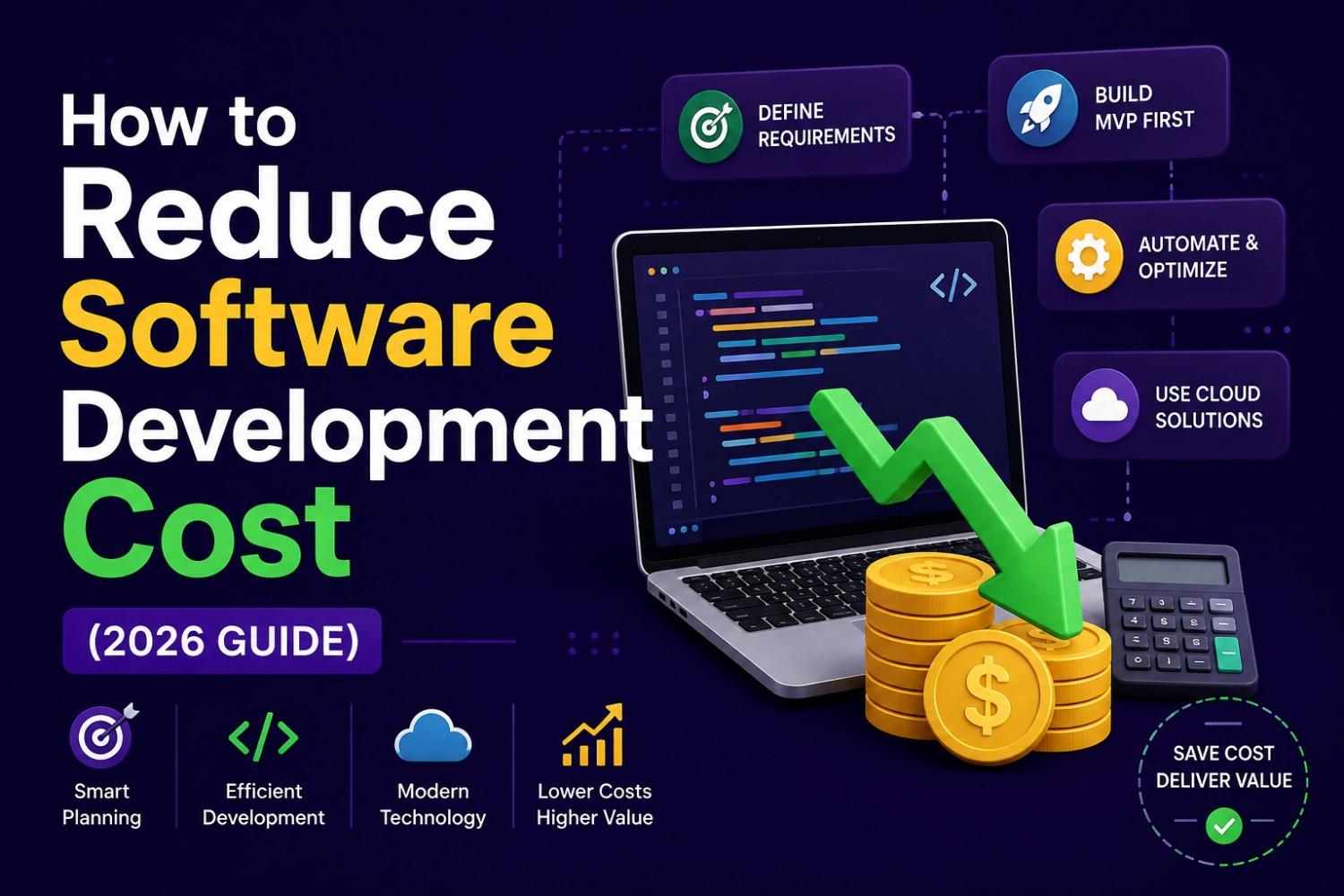
How to Reduce Custom Software Development Costs Without Compromising Quality
Reducing software development costs doesn’t mean choosing the cheapest developers or cutting essential features. Instead, it involves making smarter decisions throughout the planning, development, and maintenance phases.
Here are some practical strategies businesses can use to maximize their budget while still building a high-quality product.
1. Start with an MVP
One of the biggest mistakes businesses make is trying to build every feature at once.
A Minimum Viable Product (MVP) focuses on solving the core problem with the smallest feature set required for launch.
Benefits include:
- Faster time-to-market
- Lower upfront investment
- Real user feedback
- Reduced development risk
- Easier future expansion
Once users validate the product, additional features can be added based on actual demand rather than assumptions.
2. Prioritize Features
Not every feature needs to be included in the first release.
A common prioritization framework divides features into:
- Must-have
- Should-have
- Could-have
- Future enhancements
This approach prevents unnecessary development and keeps the project aligned with business objectives.
3. Choose a Scalable Technology Stack
Selecting modern, well-supported technologies reduces future maintenance costs.
Popular combinations include:
- Laravel + React
- Laravel + React Native
- Node.js + React
- ASP.NET Core + Angular
- React Native + Firebase
- Flutter + Firebase
These ecosystems have large developer communities, extensive documentation, and mature libraries, allowing development teams to build efficiently while ensuring long-term maintainability.
4. Reuse Existing Solutions
Not every feature needs to be built from scratch.
Reliable third-party services can handle common functionality such as:
- Authentication
- Payment processing
- Email delivery
- SMS notifications
- Cloud storage
- Maps
- Analytics
- Push notifications
Using trusted APIs and platforms often reduces development time while improving reliability.
5. Plan Integrations Early
Integrating with CRM systems, accounting software, payment gateways, or ERP platforms can significantly affect architecture and development effort.
Identifying these integrations during the discovery phase helps avoid expensive redesigns later in the project.
6. Invest in UI/UX Before Development
Changing layouts after development has started is far more expensive than refining wireframes and prototypes beforehand.
A solid UI/UX process helps:
- Reduce rework
- Improve usability
- Speed up development
- Increase user adoption
Clear designs also make it easier for developers to estimate timelines and budgets accurately.
7. Follow an Agile Development Process
Modern software projects rarely succeed with rigid, fixed plans.
Agile methodologies allow teams to:
- Deliver software incrementally
- Gather stakeholder feedback
- Adapt to changing requirements
- Identify issues earlier
- Reduce project risk
Regular sprint reviews also provide greater visibility into progress and spending.
8. Choose the Right Development Partner
The cheapest proposal is rarely the most cost-effective.
Experienced software development companies typically provide:
- Better architecture
- Higher code quality
- Stronger security practices
- Comprehensive testing
- Faster delivery
- Long-term support
A skilled team may have higher hourly rates, but it often delivers a lower total cost of ownership by reducing technical debt and avoiding costly rework.
Is Custom Software Worth the Investment?
For many organizations, custom software is more than an operational expense—it’s a strategic investment that supports long-term growth.
Unlike subscription-based software that may include unnecessary features or licensing limitations, custom solutions are built specifically around your business processes.
Key advantages include:
Complete Ownership
You own the software, source code, and intellectual property, giving you full control over future enhancements and integrations.
Better Scalability
As your business grows, custom software can evolve alongside it without forcing you to migrate to a completely different platform.
Competitive Advantage
Custom features tailored to your workflows can improve efficiency, differentiate your services, and create a better customer experience than generic software.
Seamless Integrations
Custom applications can connect with existing systems such as CRM platforms, ERP software, accounting tools, payment gateways, and third-party APIs, creating a unified digital ecosystem.
Long-Term Cost Savings
While the initial investment may be higher than purchasing off-the-shelf software, businesses often reduce recurring licensing fees, eliminate inefficient manual processes, and gain productivity improvements that deliver a strong return on investment over time.
When software directly supports your competitive strategy or daily operations, custom development often becomes the more cost-effective choice in the long run.
Final Thoughts
Custom software development isn’t a one-size-fits-all investment. The cost of building a solution in 2026 depends on your business objectives, project complexity, feature requirements, technology stack, security needs, and the experience of your development team.
For small businesses, an MVP or internal management tool may require a relatively modest budget. Larger organizations building enterprise platforms, AI-powered applications, or industry-specific software should expect a more substantial investment to support advanced functionality, scalability, and compliance.
Rather than focusing solely on the initial price, businesses should evaluate the total cost of ownership, expected return on investment (ROI), and long-term business value. A well-planned custom solution can streamline operations, automate repetitive tasks, improve customer experiences, and provide a competitive advantage that off-the-shelf software often cannot match.
Whether you’re planning a SaaS platform, CRM, ERP system, mobile application, or AI-powered business solution, partnering with an experienced software development team and defining clear requirements from the outset will help you control costs while building software that supports your growth for years to come.
Frequently Asked Questions
1. How much does custom software development cost in 2026?
The cost varies based on complexity, features, and team location. A simple MVP may cost $15,000–$50,000, while enterprise software with advanced integrations and AI capabilities can exceed $1 million.
2. What factors have the biggest impact on software development costs?
The primary cost drivers include project complexity, feature requirements, UI/UX design, technology stack, third-party integrations, cloud infrastructure, security, compliance, testing, and ongoing maintenance.
3. Is custom software more expensive than off-the-shelf software?
The upfront investment is usually higher, but custom software often provides better long-term value by eliminating recurring licensing fees, improving efficiency, and supporting business-specific workflows.
4. How long does custom software development take?
Development timelines depend on project scope. A basic MVP may take 2–4 months, while enterprise platforms with multiple integrations and advanced features can take 8–12 months or longer.
5. Does adding AI increase software development costs?
Yes. Features such as AI chatbots, recommendation engines, OCR, predictive analytics, and intelligent automation require additional development and integration work. However, these capabilities can improve efficiency and create long-term business value.
6. Should I hire freelancers, an in-house team, or a software development company?
The best option depends on your project. Freelancers are suitable for small tasks, in-house teams offer maximum control, and software development companies provide multidisciplinary expertise for medium to large-scale projects.
7. What ongoing costs should I budget for after launch?
Businesses should account for cloud hosting, maintenance, security updates, monitoring, API subscriptions, backups, technical support, and future feature enhancements.
8. Can I reduce software development costs without sacrificing quality?
Yes. Building an MVP, prioritizing essential features, selecting a scalable technology stack, planning integrations early, investing in UI/UX design, and following Agile development practices can significantly improve cost efficiency.
9. Is custom software a good investment for small businesses?
Absolutely. Custom software can automate repetitive processes, improve productivity, integrate existing systems, and support future growth. Starting with an MVP allows small businesses to manage costs while validating their investment.
10. How do I estimate the budget for my software project?
Start by defining your business goals, target users, essential features, required integrations, security needs, and expected scalability. An experienced software development company can then provide a detailed estimate based on your specific requirements.